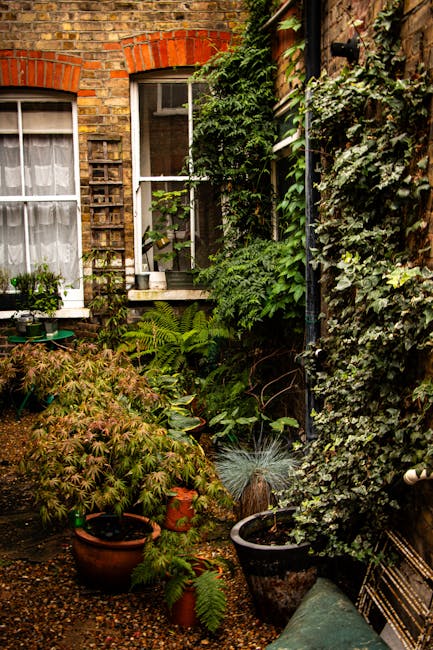
Randolph Avenue Maida Vale Garden Care Guide for Local Gardeners
If you look after a garden on or near Randolph Avenue in Maida Vale, you already know the rhythm of the place: narrow front plots, sheltered back gardens, a mix of mature planting, and the odd patch that behaves beautifully one week and a bit wild the next. This Randolph Avenue Maida Vale garden care guide local gardeners is designed to help you keep that balance without overcomplicating it. Whether you're maintaining a neat city garden, rescuing a tired border, or trying to keep the lawn looking decent through a London spring, the right approach saves time, reduces stress, and makes the space genuinely enjoyable to use.
The reality is simple. Maida Vale gardens often need a smarter routine rather than a bigger one. Less fuss, more timing. A little attention in the right places goes a long way. In this guide, we'll cover what matters locally, how a sensible care routine works, the mistakes people make, and when it makes sense to bring in professional help. If you want the bigger picture of services, you can also explore the full range of garden maintenance services and learn more about the team on the about us page.
Expert summary: On Randolph Avenue, good garden care is usually about consistency, not intensity. Keep growth under control, protect soil health, and respond early to weather swings. That's the formula. Simple, but not always easy.
Table of Contents
- Why Randolph Avenue Maida Vale Garden Care Matters
- How the Garden Care Routine Works
- Key Benefits and Practical Advantages
- Who This Is For and When It Makes Sense
- Step-by-Step Guidance
- Expert Tips for Better Results
- Common Mistakes to Avoid
- Tools, Resources and Recommendations
- Law, Compliance, Standards, and Best Practice
- Options, Methods, and Comparison Table
- Case Study or Real-World Example
- Practical Checklist
- Conclusion
- Frequently Asked Questions
Why Randolph Avenue Maida Vale Garden Care Matters
Garden care on Randolph Avenue is not the same as caring for a large suburban plot. The local environment changes the job. You're often working with compact spaces, shared boundaries, shaded areas, and microclimates created by houses, walls, trees, and nearby buildings. One side of a garden might be in full sun by midday, while the back stays damp and cool. That contrast affects everything: lawn health, pruning timing, drainage, and plant choice.
There's also the practical side. In a neighbourhood like Maida Vale, many gardens are visible from the street or from neighbouring properties, so even a small amount of neglect can feel bigger than it is. A lawn that goes patchy, a hedge that leans out too far, or a border that gets swallowed by weeds can change how the whole property feels. And let's face it, once a garden gets on the back foot, catching up can be the annoying bit.
Local gardeners tend to look for solutions that are efficient and reliable. They want to know what actually works in London conditions, not just generic advice copied from somewhere else. That's why a local approach matters. Soil in built-up areas can be compacted or uneven. Shade from mature trees can mean moss in lawns. Terraces and side returns can dry out quickly in summer, then sit wet for days after heavy rain. Small details, but they add up.
Good garden care also protects value. Not just financial value, though that matters too, but day-to-day quality of life. A well-kept space gives you somewhere to drink tea in the morning, enjoy a quiet evening, or let children and pets use the garden without too much hassle. It sounds obvious, but people often notice the benefit only once maintenance starts slipping.
How the Garden Care Routine Works
The most effective garden care routine for Randolph Avenue gardens usually follows a few repeatable principles: observe, prioritise, maintain, and adjust. It sounds almost too neat, but it works.
1. Observe the garden first
Before cutting, feeding, or planting anything, spend a few minutes looking. Which parts get the most sun? Where does water sit after rain? Which plants are competing with each other? In many Maida Vale gardens, that first look tells you more than a quick tool in hand. You might spot a lawn edge that needs attention, a rose that's being shaded out, or a shrub that's grown in the wrong direction altogether.
2. Prioritise the jobs that affect growth
Not every task is equally urgent. If the grass is too long, mow first. If weeds are setting seed, remove them before they spread. If a shrub is blocking light to younger planting, reshape it with care. There is a kind of domino effect here. A single neglected bed can spill over into the lawn, pathways, and even drainage. One thing leads to another, usually when you're not looking.
3. Maintain on a light, regular schedule
For most urban gardens, shorter and more frequent maintenance beats big seasonal clear-outs. That means regular grass cutting, light pruning, deadheading, edging, and checking for pests or disease. If you wait too long, the work gets heavier and less precise. If you stay on top of it, the garden looks better with less drama. Nice, really.
4. Adjust for the season
Spring growth, summer dryness, autumn leaf fall, winter structure. Each season changes the job. In spring, you're encouraging growth and tidying up damage from winter. In summer, you're managing water stress and keeping growth tidy. In autumn, you're clearing leaves, cutting back where appropriate, and preparing for colder weather. Winter is less about perfection and more about protection and planning.
If you are arranging help rather than doing everything yourself, it's worth checking how the provider presents its approach to service quality, safety, and customer care. The site's health and safety policy and insurance and safety information are useful places to look before you commit.
Key Benefits and Practical Advantages
A sensible garden care routine brings more than a tidy appearance. It changes how the space performs.
- Healthier lawns: regular mowing, edging, and feeding help grass recover from foot traffic and weather swings.
- Better-looking borders: pruning and weeding prevent plants from crowding each other out.
- Less expensive recovery work: small tasks now are usually easier than a major reset later.
- Improved drainage and access: keeping paths clear and borders controlled helps reduce mess after rain.
- More usable outdoor space: a garden you can actually enjoy tends to get used more often, not just looked at through the window.
- Lower stress: a steady routine prevents the "it's got out of hand" moment that everyone knows too well.
There's a quieter benefit too. Good garden care makes the space feel finished. Not staged, not overdone, just looked after. That feeling matters. You notice it when you step outside in the early morning and hear birds rather than buzzing strimmers, or when the borders look ordered even before the flowers are at their peak.
For many local homeowners and landlords, there is also a practical property-management angle. A neat outside space helps present the property well to visitors, tenants, or buyers. It is not about turning a garden into a showpiece. It is about keeping it credible, safe, and pleasant.
Who This Is For and When It Makes Sense
This guide is for people who want a realistic, local approach to garden maintenance in and around Randolph Avenue, Maida Vale. That includes:
- Homeowners who want a tidy, dependable garden without spending every weekend on it
- Busy professionals who need regular maintenance but not a full redesign
- Landlords and managing agents keeping external areas presentable
- Older residents who want help with the heavier or riskier tasks
- New residents who have inherited a garden and need a clear starting point
- Anyone whose garden has become a bit too much after a wet spring or a hot spell
It makes sense to follow a structured care plan when you notice any of these signs:
- the lawn is longer, patchier, or more mossy than before
- shrubs are spilling into paths or windows
- weeds are appearing faster than you can remove them
- the garden looks messy even after a quick tidy-up
- you keep postponing maintenance because you don't know where to start
Truth be told, if you're only reacting when the garden looks bad, you're already doing the hard version of the job. A better system is easier on time, budget, and patience. And yes, patience. Gardening does ask for it now and then.
If you are comparing professional support, the pricing and quotes information can help you decide what level of help fits your garden and your schedule.
Step-by-Step Guidance
Here is a practical garden care process that suits most Randolph Avenue properties. You can use it as a monthly rhythm or adapt it seasonally.
Step 1: Start with a full visual sweep
Walk the garden slowly. Check the lawn, beds, edges, pots, paths, and any vertical growth such as climbers or hedges. Look for dead material, broken stems, weeds, signs of disease, and anything that is blocking light or access. You do not need a clipboard and a torch, though some people would insist. Just a calm, honest look.
Step 2: Tidy the edges first
Edges make a garden look sharper almost immediately. Neatening borders, trimming overhang, and clearing path edges creates space to work and improves the overall shape of the garden. It is a small job with a big visual payoff.
Step 3: Deal with the lawn
Mow to the right height for the season and the condition of the grass. Avoid taking too much off at once, especially after dry periods or a growth surge. If the lawn is shaded or damp, it may need a gentler approach than a sun-baked one. Rake out debris where needed, and keep an eye on compacted areas near play spaces or garden furniture.
Step 4: Weed with purpose
Remove weeds before they seed or spread through beds. In paved areas and along boundaries, weeds can return quickly if roots are left behind. In planted areas, weed carefully so you do not disturb neighbouring plants or shallow roots. A little patience here saves a lot of repeat work.
Step 5: Prune for shape, light, and health
Pruning should usually improve airflow, keep growth under control, and maintain the plant's natural form. Avoid overcutting just because a shrub looks unruly. Sometimes a light, selective cut is more effective than a dramatic trim. That is especially true in smaller gardens where one over-zealous prune can throw off the balance.
Step 6: Feed, water, and mulch where appropriate
Soil health matters, even in compact city gardens. Adding organic matter, mulching borders, and watering correctly helps plants cope with dry spells and competing roots. If you have ever watched a bed dry out faster than expected on a warm afternoon, you will know how quickly plants can complain. Quietly, but clearly.
Step 7: Finish with a tidy review
Before you pack away tools, check paths, gates, bins, and hidden corners. The last five minutes often make the biggest difference. It is the difference between "worked on" and "finished."
Expert Tips for Better Results
These are the details that tend to separate a decent garden from one that stays consistently tidy and healthy.
- Work with the garden's microclimate. A shady north-facing corner needs different attention from a sunny front patch.
- Don't chase perfection every visit. Some jobs are best handled lightly and regularly. Overworking the garden can create more waste than value.
- Keep an eye on soil compaction. In small London gardens, repeated foot traffic can weaken grass and reduce drainage.
- Use the weather window. A dry morning after rainfall is often the best time for mowing, pruning, or clearing debris.
- Leave room for recovery. After heavy pruning or seasonal clean-up, plants need time to bounce back.
- Store tools cleanly. Clean blades and dry storage help tools last longer and perform better. Obvious, yes. Still skipped a lot.
A small but useful habit: keep a running note of what grows fastest in your garden. The same hedge, border, or lawn area may need attention earlier each year than you expect. That note becomes gold after a season or two.
Another local reality is leaf fall and shade. In Maida Vale, mature trees and enclosed gardens can create damp patches where moss or fungus is more likely to appear. That does not mean something is wrong, only that the routine should respond to the setting rather than fight it.
Common Mistakes to Avoid
Most garden problems are not caused by one dramatic mistake. They are usually caused by small habits repeated for a while. The good news? That means they are fixable.
Cutting too much at once
This is especially common with lawns and shrubs that have been left for a few weeks too long. Taking off too much growth can stress the plant, leave the garden looking harsh, and create extra waste.
Ignoring the shady or damp areas
These spots often need more attention, not less. Moss, patchiness, and poor airflow can develop quietly. Then one day the area looks tired and no one can quite remember when it started.
Letting edges go
A garden can look untidy even when the planting is fine if the edges are messy. Borders spilling onto paths and lawns are a classic local problem in smaller spaces.
Using the same routine all year
Summer and winter garden care are not the same thing. Seasonal adjustments matter more than people think.
Waiting until the job feels "big enough"
This one is common. By the time the garden feels too big, the work is already harder than it needed to be. A light fortnightly or monthly rhythm often prevents that build-up.
Forgetting disposal and recycling
Garden maintenance creates green waste, and dealing with it properly matters. If you are using a service, it is sensible to understand their approach to responsible disposal and environmental practice. The recycling and sustainability information is worth a look if you care about how waste is handled.
Tools, Resources and Recommendations
You do not need an enormous kit to maintain a Maida Vale garden well. In fact, too many tools can make the shed feel like a jumble sale. Keep it practical.
| Tool or Resource | Best Use | Why It Helps |
|---|---|---|
| Hand shears | Light pruning and shaping | Better control in small spaces and around delicate planting |
| Precision lawn mower | Regular grass cutting | Creates a cleaner finish and helps maintain an even height |
| Border fork or hand fork | Weed removal and soil loosening | Useful in compacted beds and narrow planting areas |
| Rake | Leaf and debris clearance | Especially helpful in autumn and after storms |
| Mulch or compost | Soil improvement and moisture retention | Supports plant health and reduces drying out |
| Maintenance schedule | Planning visits and seasonal tasks | Prevents jobs from drifting and becoming overwhelming |
If you are deciding between doing the work yourself and bringing in help, look at the garden honestly. A small, simple plot with decent access may be easy to manage. A layered garden with tall hedges, awkward corners, and frequent leaf fall may be better left to professionals on a regular schedule.
When choosing a provider, it is sensible to check the company's service details, payment approach, and customer information. Useful starting points include the services overview, payment and security information, and contact page if you want to ask specific questions before booking.
Law, Compliance, Standards, and Best Practice
Garden care is not heavily regulated in the same way some trades are, but there are still sensible standards and responsibilities to keep in mind. For example, if you hire a service provider, you should expect clear communication, safe working methods, appropriate insurance, and respectful conduct on the property. That is not asking too much. It is the baseline.
Best practice in garden maintenance usually includes:
- working safely around tools, paths, steps, and wet surfaces
- protecting plants and structures from avoidable damage
- disposing of garden waste responsibly
- being clear about what is included in the job
- respecting neighbour boundaries and access arrangements
If access is tight, tools are heavy, or the garden includes uneven ground, extra caution matters. Services should have clear safety procedures and adequate insurance where appropriate. If you want reassurance before instructing a team, it is reasonable to review the health and safety policy and insurance and safety page. That kind of due diligence is not overthinking it. It is just sensible.
There are also practical compliance considerations around privacy and communication if you use a service online. You can review the site's privacy policy, cookie policy, and terms and conditions if you want a clearer picture of how enquiries, website use, and service expectations are handled.
Options, Methods, and Comparison Table
There is more than one way to keep a Randolph Avenue garden in good order. The right approach depends on time, confidence, and the garden itself.
| Approach | Best For | Advantages | Limitations |
|---|---|---|---|
| DIY maintenance | Small gardens, confident gardeners, simple layouts | Flexible, lower immediate cost, hands-on control | Easy to delay, harder for larger or awkward gardens |
| Occasional tidy-up visits | Gardens that need periodic reset work | Good for seasonal clear-downs and catch-up tasks | Doesn't always prevent build-up between visits |
| Regular professional maintenance | Busy households, landlords, or gardens that need consistency | More reliable, better continuity, less stress | Ongoing commitment, needs a good service fit |
For many local households, the sweet spot is regular maintenance for the repetitive tasks and DIY for the enjoyable bits. A little planting on a Saturday, a professional visit for the heavier cut-back. That balance often works better than trying to do everything yourself and resenting the garden by Tuesday.
Case Study or Real-World Example
Here's a realistic example from a typical Maida Vale-style garden. A client had a modest rear space with a shaded lawn, a couple of overgrown shrubs, and borders that looked fine from a distance but messy up close. Nothing dramatic. Just enough to feel a bit unfinished.
The first visit focused on clearing debris, reshaping the borders, reducing the shrubs lightly, and improving the lawn edge. The second visit, a few weeks later, was gentler: a tidy mow, selective weed removal, and a better pruning rhythm so the planting kept its shape. By the end of the month, the garden still had character, but it no longer looked like it was permanently waiting for attention.
The useful lesson was not that the garden needed a huge makeover. It needed timing. Once the maintenance became regular, the work got easier and the garden felt calmer. That is usually the real win. Less panic, more rhythm.
If that sounds familiar, you are probably not far off needing a proper maintenance plan rather than another one-off clear-up.
Practical Checklist
Use this checklist to keep your Randolph Avenue garden care on track.
- Walk the garden and note urgent issues first
- Mow the lawn at an appropriate height for the season
- Trim edges, paths, and overhanging growth
- Remove weeds before they seed or spread
- Prune lightly and selectively where needed
- Check shaded and damp areas for moss or disease
- Water plants based on weather and soil conditions
- Add mulch or compost where soil looks tired
- Clear leaves and debris from hidden corners
- Review access, waste, and safety concerns
- Schedule the next maintenance visit before growth gets ahead of you
Quick reminder: if a task feels risky, awkward, or time-consuming, that is often the point where professional help starts to make sense.
Conclusion
Garden care on Randolph Avenue in Maida Vale works best when it is local, practical, and steady. You do not need a complicated system. You need a routine that fits a London garden's realities: shade, compact spaces, seasonal bursts of growth, and the occasional week when everything seems to happen at once. A thoughtful approach keeps the garden usable, attractive, and far less stressful to manage.
Whether you are maintaining a small courtyard, a family garden, or a more established outdoor space, the same basic principle holds true. Stay ahead of growth, protect the structure of the garden, and deal with small issues before they become bigger ones. That's the quiet secret. Nothing flashy. Just good habits.
If you would like professional support with regular maintenance, seasonal tidy-ups, or a one-off reset, take a look at the services overview and see what fits your garden best. If you are ready to talk through the details, the contact page is the natural next step.
Get a free quote today and see how much you can save.
And if you want a final thought to carry with you: a well-kept garden does not need to be perfect. It just needs to feel looked after, week after week, season after season.
Frequently Asked Questions
What is the best garden care routine for Randolph Avenue in Maida Vale?
The best routine is usually a light, regular one: mow, edge, weed, prune selectively, and adjust for the season. In compact London gardens, consistency beats occasional heavy work.
How often should a local garden be maintained?
That depends on the garden, but many local spaces benefit from weekly or fortnightly attention during peak growing periods. Smaller tidy-ups more often are usually easier than rare big clear-outs.
Why do Maida Vale gardens often need different care from other areas?
Because the local conditions are often more shaded, more enclosed, and more affected by neighbouring buildings and mature trees. That changes how quickly things dry, grow, and spread.
Can I manage a Randolph Avenue garden myself?
Yes, if the space is small and you have the time. But if the garden has awkward access, heavy growth, or recurring issues, professional help can save a lot of effort.
What are the most common problems in local gardens?
The usual ones are patchy lawns, moss in shade, weeds in borders or paving, overgrown shrubs, and leaf build-up. None are unusual, and most are manageable with regular care.
Is regular lawn cutting really necessary?
Usually, yes. Regular mowing keeps grass healthier and the garden looking more settled. Waiting too long can make the cut harsher and the finish less even.
How do I know if my garden needs a professional tidy-up?
If the work feels too big, too time-consuming, or too awkward to do safely, that is a good sign. Another clue is when the garden keeps sliding back no matter how often you tidy it.
What should I look for in a garden maintenance service?
Look for clear communication, a sensible maintenance approach, safety awareness, insurance where appropriate, and straightforward pricing. The service should feel reliable rather than rushed.
What happens to the garden waste after a clearance?
That depends on the service arrangement. A responsible provider should be clear about waste handling and recycling practices, especially for regular maintenance visits.
Are there any safety concerns with garden work in small urban spaces?
Yes. Tight access, wet surfaces, steps, sharp tools, and hidden obstacles all need care. Safe working methods matter just as much as the finish.
Can seasonal weather change what my garden needs?
Absolutely. Wet spring weather, hot summer spells, and autumn leaf fall all affect maintenance priorities. A good routine flexes with the season instead of ignoring it.
How can I get a quote for garden care?
You can start by reviewing the service details and then using the site's pricing and quotes page or contact page to ask about your garden's specific needs.